


Loved by Nature
Backed by Science
What’s happening at KelpCrofters?
Head to our News Page
Harnessing the power of nature: Seaweed for healthier crops
Nature has already perfected plant growth—we simply unlock its potential.
At KelpCrofters, we cultivate brown kelp species rich in natural growth promoters, bioactive compounds, and vital nutrients. Our farmed kelp is then turned into liquid plant-growth stimulants (‘biostimulants’) that help crops build resilience against drought and disease, produce more chlorophyll, maximise nutrient uptake, and improve soil performance. The result is healthier plants, bigger yields, and a better return on investment for farmers.
From Ocean to Earth, we produce the most sustainable and climate smart seaweed products.
Our Kelp Biostimulant: For Agriculture and Horticulture
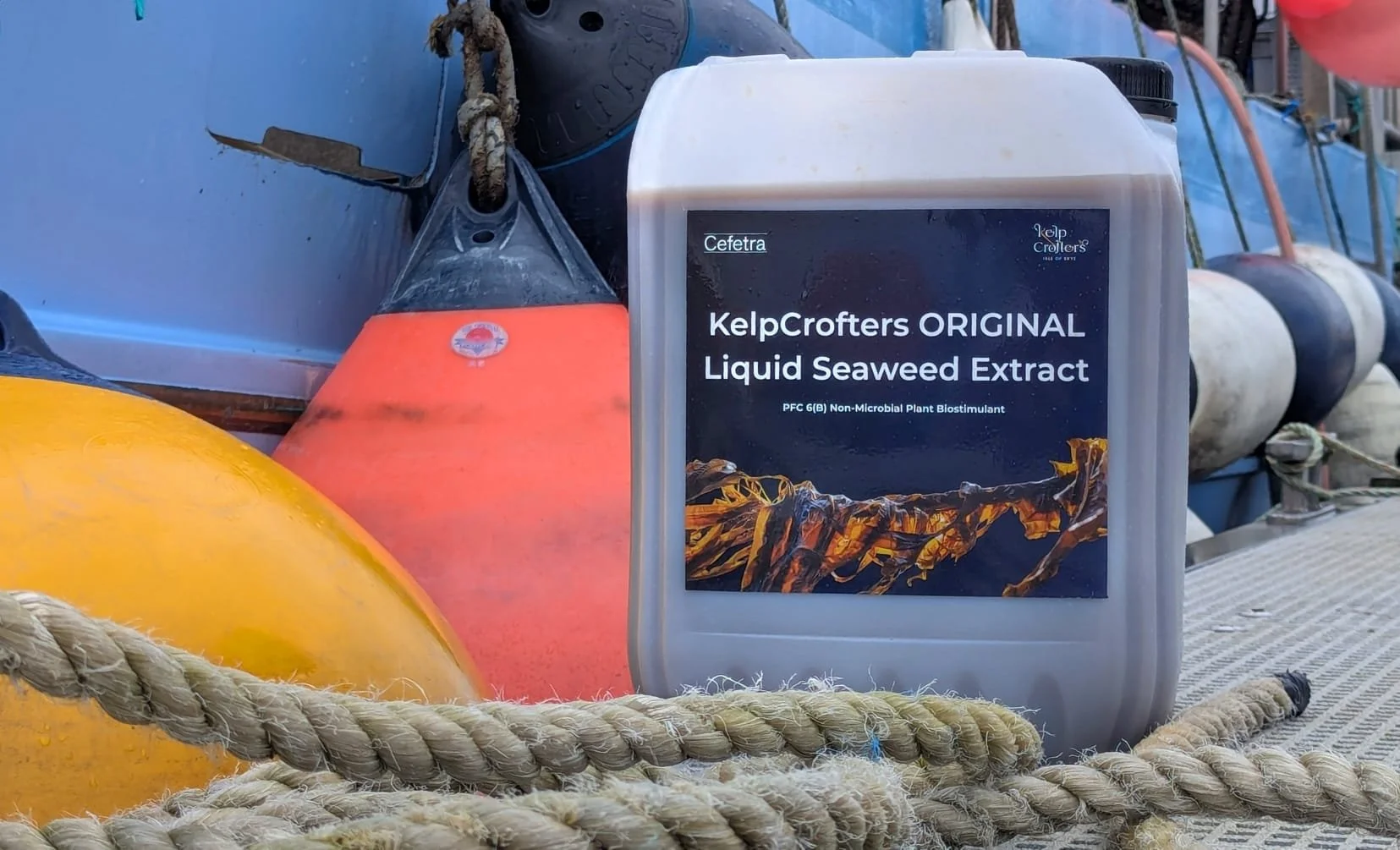
KelpCrofters biostimulant is made with farmed kelp that is harvested at the peak of its growth cycle, which maximises the concentrations of plant growth-promoting compounds. The biostimulant is then extracted via a gentle curing and cold-pressing process that helps release beneficial nutrients into the liquid. The process does not use any heat, drying or harsh chemicals.
We are proud to be partnering with the distributor Cefetra to supply farmers and larger growers with our Biostimulant.
Contact the Cefetra Sales Team to purchase our products.
Why use biostimulants? Seaweed biostimulants help crops cope with stress, make better use of nutrients and water, and protect yield potential when growing conditions are less than ideal. Learn more about biostimulants here.
How to use our seaweed-based biostimulant:
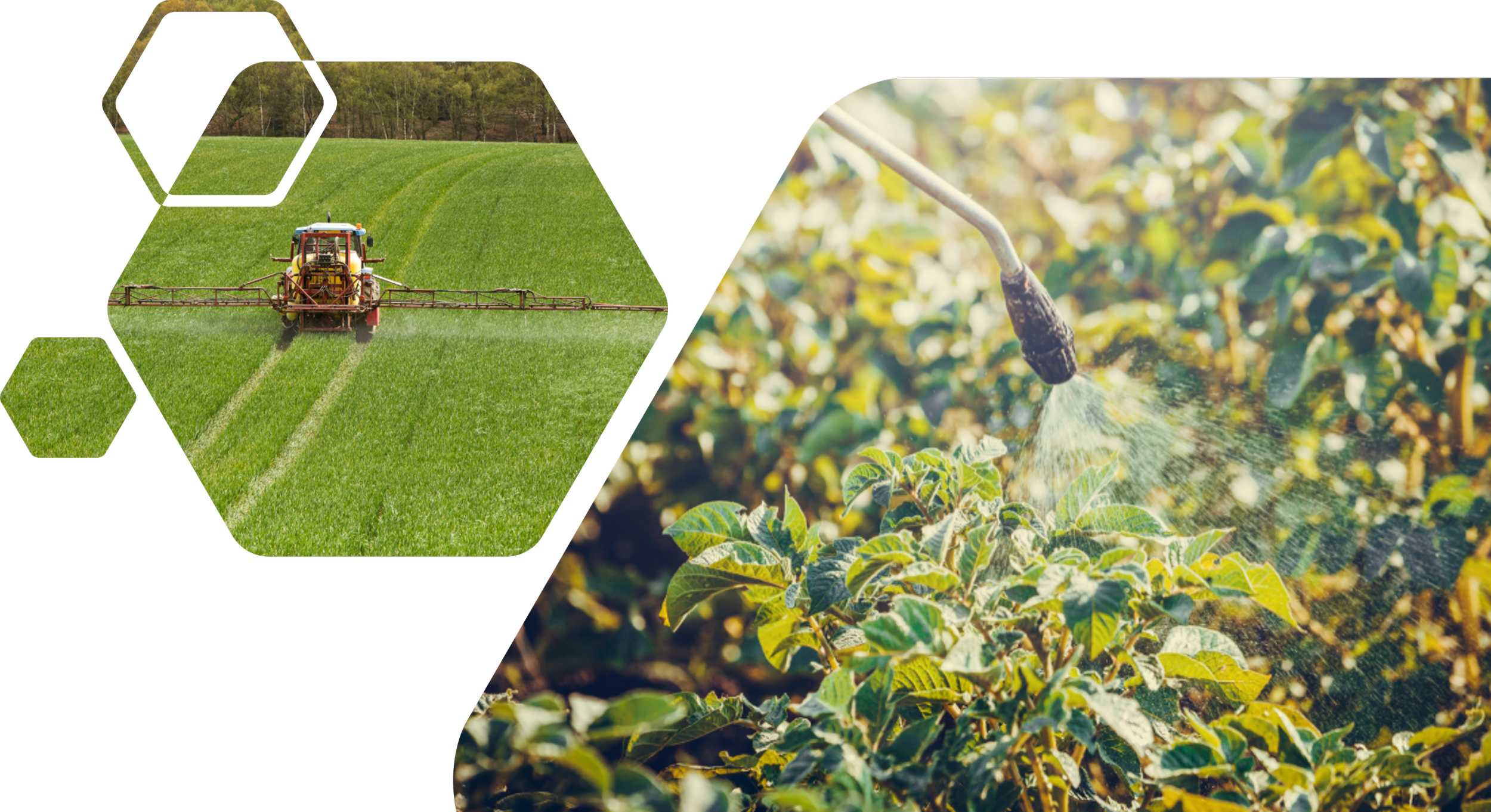
KelpCrofters liquid biostimulant can be applied as a foliar feed to a broad range of crops, using standard spray methods. It is sold in a concentrated form in 20L jerrycans or 1000L IBCs, and needs diluting. Simply mix the required dose of biostimulant into a tank of water, and apply along with other crop inputs. Depending on crops and growing conditions, farmers will usually need to apply between 2.5 to 5 litres/ hectare, with 2-3 applications. For more information on biostimulant dosing and application contact us.
Choose Homegrown. Support UK business: KelpCrofters is based in the Scottish Highlands, and our biostimulant is sold exclusively to British farmers and growers. Every pound spent locally makes a difference to the UK economy. Read more about our origin and ethos here.
Scottish Made. Traceability and Quality Assured:

Quality starts from the source: Unlike many suppliers, we grow our own kelp from seed to harvest in pristine Scottish waters, giving us full traceability and unmatched quality control. Manufactured in Scotland and delivered directly to you, every batch is independently tested by accredited laboratories for safety, quality, and composition. All our raw ingredients, materials and equipment are also sourced from the UK. That means you receive a consistently high-quality product backed by science, transparency, and trust.

“Evidence turns ideas into products people can trust.” Learn more about our crop trials here.
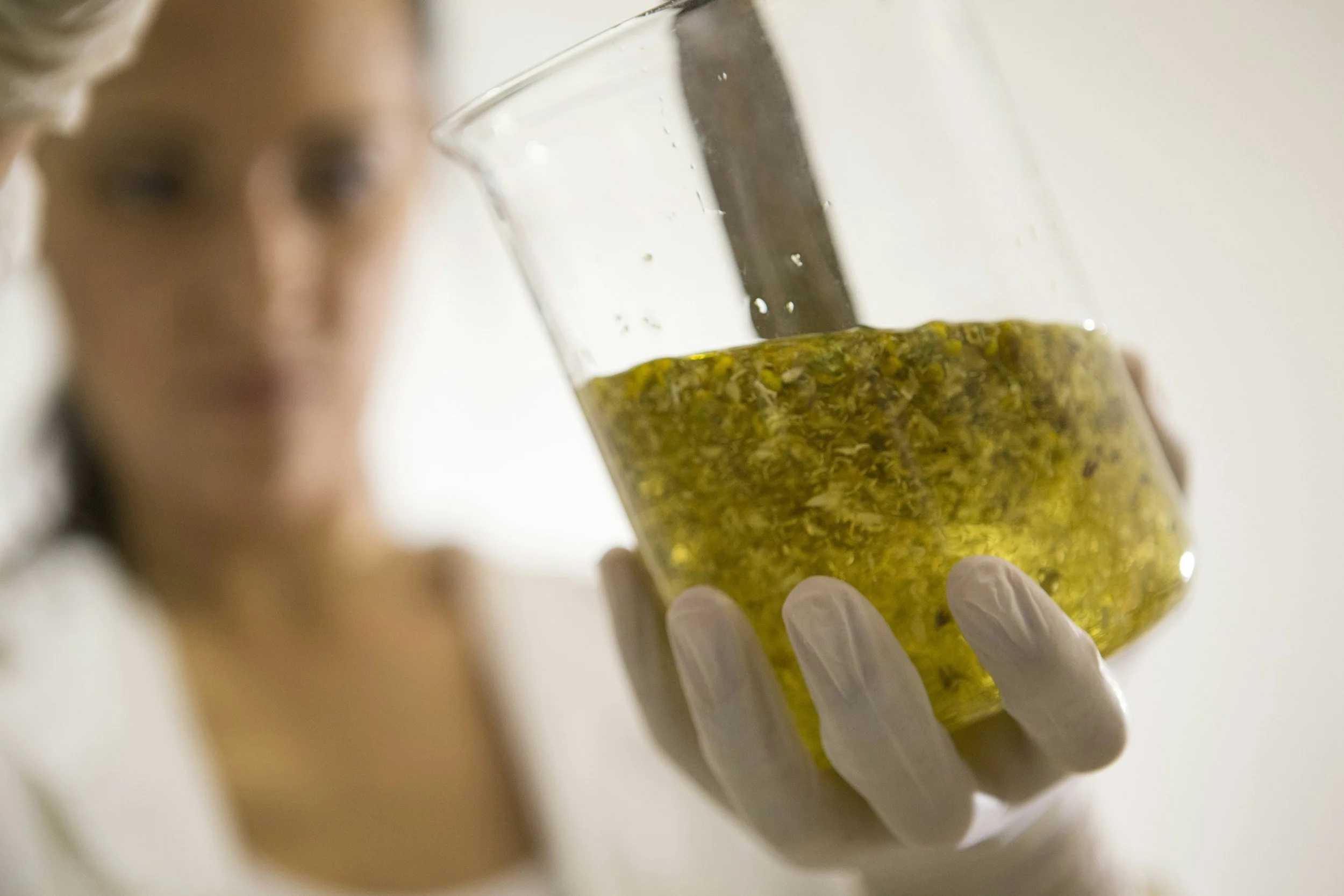
Innovation: Science and nature hand in hand
Since 2020, KelpCrofters has invested heavily in research and innovation, working alongside leading scientists and agronomists to unlock the full potential of kelp. Our products have been developed through multiple successful R&D projects funded by Innovate UK, Defra, HIE and WWF. The result is a range of powerful, all-natural biostimulants that help crops grow stronger, improve soil vitality, increase resilience to environmental stress, and support healthier, more productive growing systems.
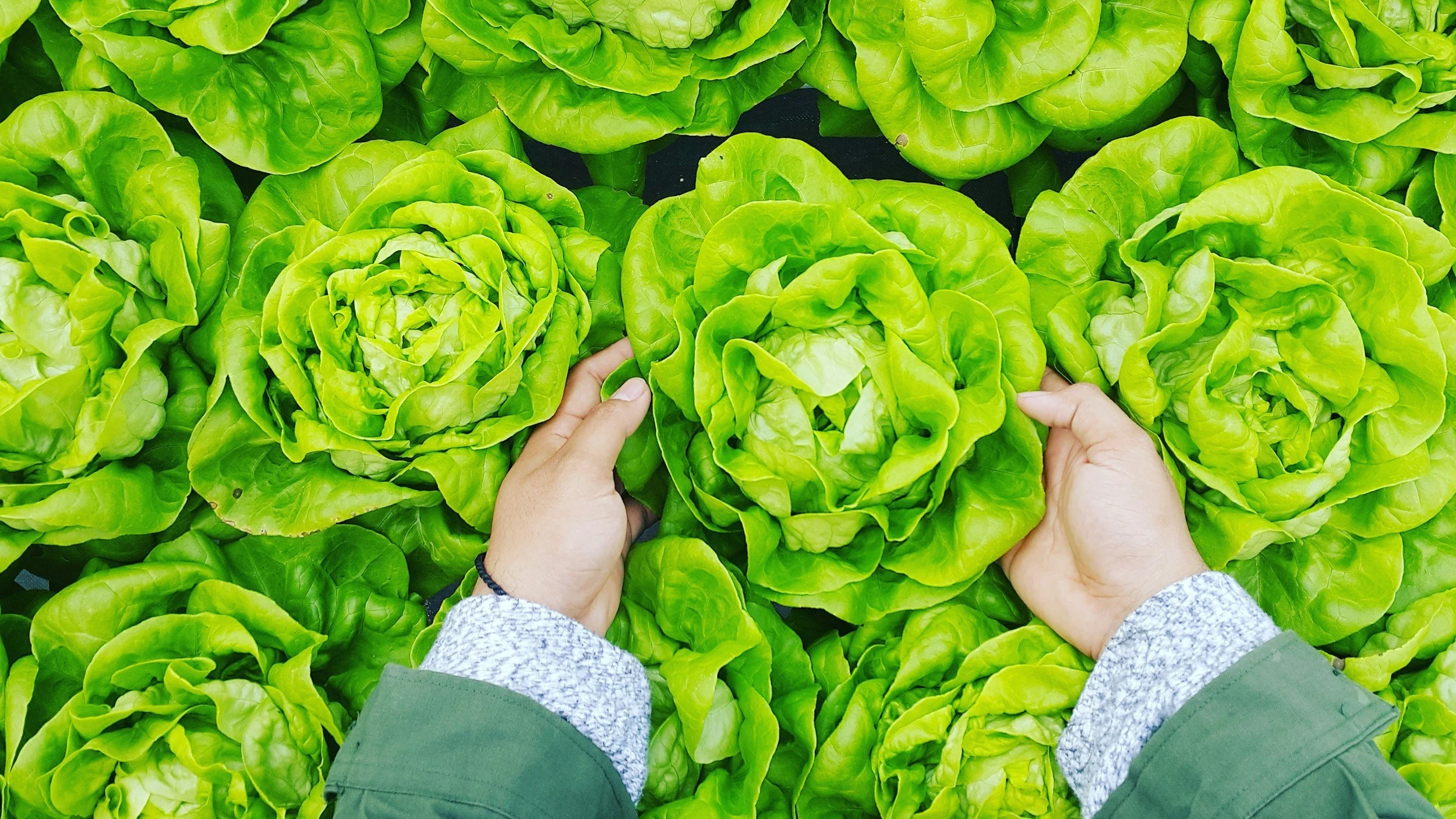
Brown Seaweed Never Looked So Green: Biostimulants made from farmed kelp support regenerative farming practices, both at sea on land.

Good for the Environment
KelpCrofters seaweed farm is situated in front of the low island of Pabay (seen above), and is backed by the dramatic Cullin mountain range on Skye.
Read more about our location here.
Kelp farming is a sustainable, climate-positive form of aquaculture that requires no fertilisers, pesticides, or chemical inputs. As it grows, kelp naturally absorbs carbon dioxide and excess nutrients from the water, helping to improve water quality and support carbon capture. Kelp farms also enhance marine biodiversity by creating habitats for fish and other wildlife.
When transformed into plant biostimulants and soil improvers, kelp continues to deliver environmental benefits by promoting healthier soils, stronger plant growth, and increased carbon sequestration on land. It can also be used alongside regenerative farming practices to reduce the amount of chemical inputs required on farms.